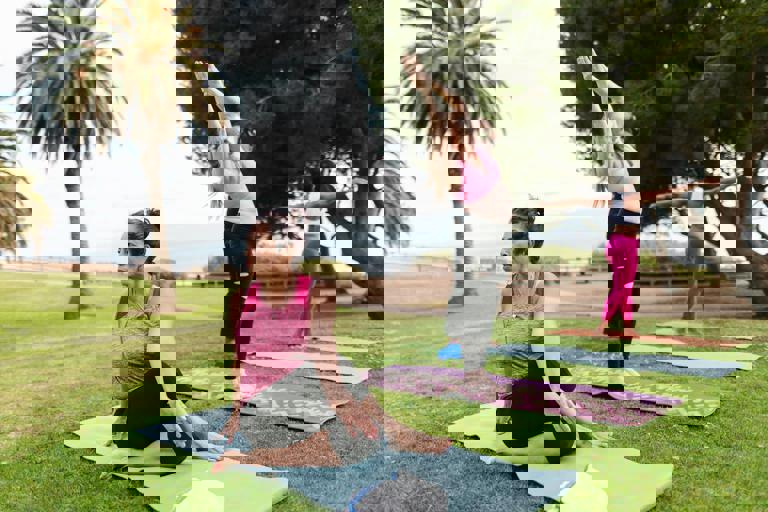
On a brisk Saturday morning, Mary Chen, an off-duty paramedic with over a decade of experience, sets up brightly colored exercise mats in the centre of Willowbrook Park. For several months now, Chen has spent her free time leading a community fitness group aimed specifically at residents who have felt isolated, especially in the wake of the pandemic. Her initiative has quickly grown, bringing together individuals from various backgrounds and age groups.
Chen was inspired to start the group after noticing an uptick in calls related to anxiety and depression among her patients. "So many people just needed a way to reconnect and get moving again," she explains. The park sessions are free and intentionally inclusive, with options tailored for seniors, adults, and even children, ensuring everyone can participate at a comfortable level of activity.
Word of mouth spread quickly throughout the neighborhood, and the Saturday morning gatherings now attract more than 40 participants each week. Families arrive with picnic blankets, water bottles, and a sense of excitement. For many, this community fitness group serves as a highlight in their week, an event they anticipate as a chance to socialize and regain a sense of normalcy.
What sets Chen’s sessions apart is her paramedic background—she brings a deep understanding of both physical health and emergency care. She checks in on participants’ well-being, demonstrates safe stretching techniques, and occasionally integrates basic first aid instruction into the routines. Her personal connection with each member fosters a feeling of trust and safety that participants cite as a key motivator for attending regularly.
Dr. Ian Matthews, a family physician who occasionally volunteers at the sessions, notes significant benefits. “We’ve seen improvements not just in people’s fitness levels, but also in their mood and resilience. Social isolation is a real health issue, and programs like this one help to address it in a meaningful, sustainable way,” Dr. Matthews observes. Regular exercise is a proven tool in managing both physical and mental health challenges.
The diversity of the group is remarkable: newcomers to the neighborhood, long-time residents, people from different cultures, and participants ranging from five years old to well into their seventies. Language barriers are bridged by volunteers and Chen's encouragement of non-verbal cues. This inclusive atmosphere helps fight loneliness and builds bridges between previously disconnected community members.
Community leaders have praised Chen's model, suggesting it as a template for future wellness initiatives. Jane Patel, a council member, remarks, “Mary’s approach is uniquely proactive. She’s not only providing a vital health resource but also showing what grassroots action can accomplish when driven by compassion and expertise.” Conversations have begun about expanding similar initiatives to other parks in the city.
In addition to the exercise sessions, Chen coordinates guest speakers on topics ranging from nutrition to mindfulness. Local practitioners occasionally lead workshops following workouts, giving participants access to practical advice on managing stress, maintaining balanced diets, and prioritizing self-care. These added resources are valued extras that underscore the holistic nature of Chen’s community wellness vision.
Children who attend with their parents are offered age-appropriate games that promote movement and collaboration. Chen believes that making fitness enjoyable for younger participants sets the stage for a lifelong appreciation of health. "If we can make exercise a family affair, we're more likely to see those habits stick," she shares, highlighting the long-term goals behind her weekend gatherings.
For many seniors, the group provides more than exercise. Eighty-one-year-old participant Alan Granger explains, “Before this group, I’d go days without seeing a familiar face. Now, I feel connected and supported.” His experience is echoed by others who find that regular, friendly interactions can significantly brighten their outlook and reduce feelings of isolation.
Chen’s work has even attracted the attention of local health agencies, who are considering partnerships to lend additional support and resources to the project. Public Health Ontario has begun a study to track outcomes, including changes in participants' physical and mental health over time, demonstrating a growing interest in community-driven approaches to wellness.
Looking ahead, Chen hopes to inspire more professionals to initiate similar projects in their own neighborhoods. She believes that small, consistent efforts can create a ripple effect, making cities healthier and more connected. "Sometimes, all it takes to bring people together is one person willing to start. The return on investment, in terms of well-being and happiness, is priceless," Chen concludes with a smile as her fitness group disperses, ready to face the week ahead.