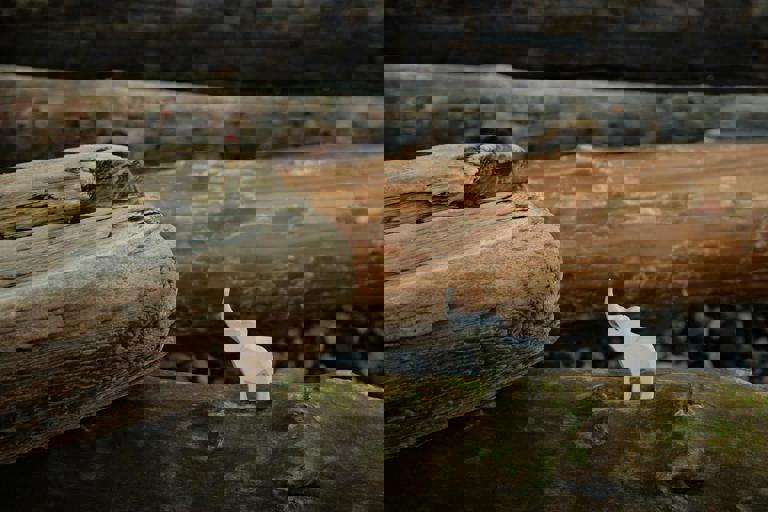
A vibrant new chapter in public art has unfolded with the opening of the Outdoor Sculpture Trail’s latest exhibition: a series of interactive artworks dedicated to urban wildlife. This ambitious project brings together art, environmentalism, and community engagement, inviting residents and visitors alike to explore the profound connections between city life and the natural world thriving alongside it. Organizers emphasize the uniqueness of this initiative, celebrating both creativity and local ecology in equal measure.
The central concept behind the trail is to highlight the wealth of fauna that share city environments, a facet of urban living often overlooked by residents. Sculptures along the trail depict a variety of local animals, from nimble squirrels and songbirds to elusive raccoons and vibrant butterflies. Each piece is crafted by artists known for their passion for wildlife and environmental themes, lending authenticity and purpose to the exhibition’s intent.
Not content with static displays, this year’s installation invites participation by incorporating interactive elements. Many sculptures respond to touch, movement, or sound, transforming passive observation into an engaging, multisensory experience. According to lead curator Mary Gallagher, “We wanted the community to not just look at these animals, but to interact with them, fostering a sense of stewardship and connection that lasts beyond their visit.”
Sustainable materials are a major focus throughout the collection. Artists have utilized reclaimed metals, recycled plastics, and sustainably sourced wood, underlining the trail’s environmental message. This use of eco-friendly materials echoes both the subject matter and greater calls for responsible consumption in the arts sector. Environmental artist James O’Reilly, whose raccoon sculpture is a highlight, notes, "Using recycled materials wasn’t just a choice—it was a necessity to honor the spirit of urban coexistence."
Education plays a pivotal role in the trail’s design. Accompanying each sculpture is an information plaque detailing the animal’s habits, ecological role, and unique adaptions to an urban environment. For younger visitors, QR codes link to interactive content such as animal calls and quiz games, integrating technology and play into the learning process. This educational component aims to spark a curiosity about urban ecology that will inspire visitors long after they’ve left the trail.
The artists behind these sculptures have diverse backgrounds, with many bringing local perspectives and expertise to the project. Sculptor Sofia Ramos, for instance, draws inspiration from childhood encounters with city parks, while multimedia artist Ben Chan explores the theme of night-time urban wildlife, reflecting on how non-human city dwellers adapt when human activity subsides. Their insights are woven into their pieces, providing personal as well as environmental narratives.
Launching the trail involved a significant collaborative effort between artists, local environmental organizations, and municipal arts programs. Funding was secured through a blend of public grants and private sponsorships, demonstrating considerable public interest in both supporting the arts and raising awareness for urban wildlife. Kelly Morris, a coordinator for the supporting non-profit, remarks, "People care deeply about the legacy of their cities, and this project speaks to that concern in innovative ways."
Community involvement was encouraged from the outset, with artists hosting workshops and public feedback sessions during the creative process. This engagement not only shaped the final artworks but also fostered a sense of communal ownership over the exhibition. As a result, the trail reflects a collective vision, resonating with the lived experiences and environmental aspirations of a broad cross-section of the city’s population.
Initial visitor feedback has been overwhelmingly positive, with many praising the trail’s ability to blend art, nature, and interactivity. Local resident Danielle Lee shared her thoughts: "It’s an inspiring reminder that wildlife is everywhere if you pay attention, and the interactive elements make it accessible for all ages." Social media has also buzzed with images and commentary, helping to broaden the reach of the project and increase public awareness of urban biodiversity.
Beyond entertainment and education, the sculpture trail serves a wider purpose: encouraging environmental stewardship. By situating wildlife at the heart of the urban art experience, the trail hopes to cultivate a deeper appreciation for non-human city inhabitants and promote sustainable behaviors. The exhibition underscores how cities can be habitats not just for people, but also for a rich diversity of animals and plants.
The success of the trail may have far-reaching impacts. Organizers report interest from other cities keen to replicate the model, adapting the blend of art, engagement, and conservation to their own local contexts. Such initiatives could help foster a broader cultural shift in the way urban populations view and value wildlife. This growing movement epitomizes how the arts can lead meaningful change in public perception and policy.
Looking ahead, the trail’s organizers plan to expand the project, introducing new sculptures and interactive features each year. There are also ambitions to partner with schools, conservation groups, and local technology firms to further enrich the content and accessibility of the trail. These developments could ensure the exhibition remains a lasting and evolving fixture within the city’s cultural and ecological landscape.
In sum, the Outdoor Sculpture Trail’s latest exhibition stands as a powerful testament to the intersection of creativity, community, and environmental consciousness. Through its interactive celebration of urban wildlife, the trail challenges attendees to rethink their relationship with the natural world in dynamic and tangible ways. By highlighting the often-unseen creatures that share city streets, it inspires joy, curiosity, and a renewed commitment to harmonious coexistence.